Save up to 50% today!

Frequent Urination: Diabetes or Something Else? 10 Important Warning Signs You Should Know
Frequent urination may be caused by diabetes, infections, dehydration, or other health conditions. Learn the symptoms, causes, diagnosis, treatments, and essential lab tests from Best Doctors Lab
5/21/20264 min read
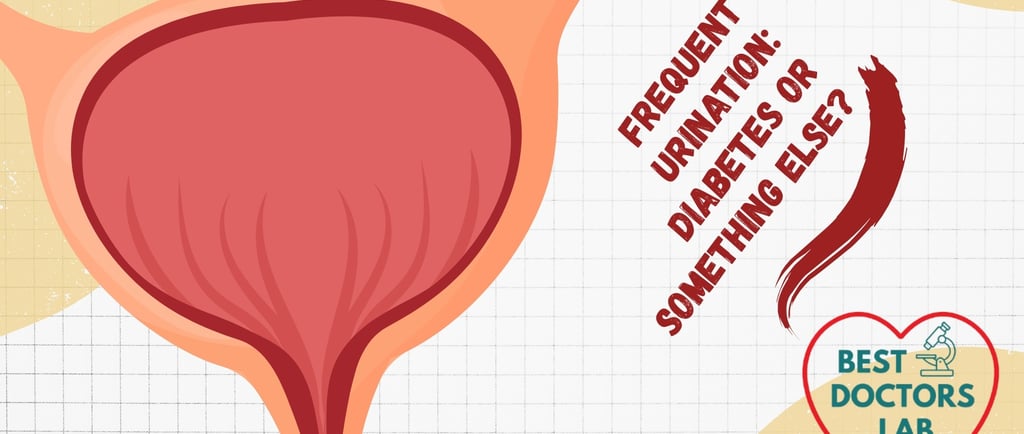
Frequent urination can be frustrating, uncomfortable, and sometimes embarrassing. Many people immediately worry about diabetes when they notice they’re using the bathroom more often than usual. While diabetes is a common cause, it’s not the only possible reason.
In some cases, frequent urination may result from drinking too much fluid or caffeine. In other situations, it may signal infections, bladder problems, kidney conditions, or hormonal imbalances that require medical attention.
At Best Doctors Lab, healthcare professionals encourage early diagnostic testing to identify the underlying cause before symptoms become more serious.
In this detailed guide, you’ll learn:
What causes frequent urination
How diabetes affects urination
Other medical conditions linked to urinary problems
Symptoms you should never ignore
Important lab tests and treatment options
Understanding the reason behind your symptoms can help protect your long-term health and improve your quality of life.
Understanding Frequent Urination
Frequent urination means needing to urinate more often than normal during the day or night.
What Is Considered Frequent Urination?
Most healthy adults urinate around 6–8 times daily. However, the number can vary depending on:
Fluid intake
Weather
Diet
Medications
Activity level
Frequent urination becomes a concern when it disrupts normal daily activities or sleep.
Why Urination Patterns Matter
Changes in urination patterns can provide important clues about overall health.
The urinary system helps the body:
Remove waste
Maintain fluid balance
Regulate electrolytes
Problems affecting the kidneys, bladder, hormones, or blood sugar levels can alter normal urination patterns.
Common Causes of Frequent Urination
Several conditions can increase the urge to urinate.
Drinking Too Many Fluids
Consuming large amounts of water, tea, coffee, or soft drinks can naturally increase urination frequency.
Caffeine and alcohol act as diuretics, meaning they encourage the body to produce more urine.
Urinary Tract Infections (UTIs)
UTIs are a common cause of sudden urinary urgency and discomfort.
Symptoms may include:
Burning during urination
Pelvic pain
Cloudy urine
Strong-smelling urine
Frequent urges to urinate
UTIs require proper medical treatment to prevent complications.
Diabetes
Frequent urination is one of the classic warning signs of diabetes.
When blood sugar levels become too high, the kidneys work harder to remove excess glucose through urine. This causes increased urination and fluid loss.
Overactive Bladder
An overactive bladder causes sudden and frequent urges to urinate, even when the bladder isn’t full.
People may experience:
Urgency
Leakage
Nighttime urination
Difficulty controlling urination
Pregnancy
Pregnancy increases pressure on the bladder and changes hormone levels, often leading to more frequent urination.
This symptom is especially common during the first and third trimesters.
How Diabetes Causes Frequent Urination
Diabetes is one of the most important medical causes of excessive urination.
High Blood Sugar and Kidney Function
When blood sugar rises above normal levels, the kidneys attempt to filter and remove the extra glucose.
This process pulls additional water into the urine, causing:
Frequent urination
Excessive thirst
Dehydration
Over time, uncontrolled diabetes can damage the kidneys and other organs.
Other Symptoms of Diabetes
Frequent urination caused by diabetes is often accompanied by:
SymptomDescriptionExcessive thirstFeeling thirsty constantlyFatigueLow energy levelsBlurred visionDifficulty seeing clearlyWeight lossUnexplained body weight reductionSlow healingCuts and wounds heal slowly
Blood sugar testing at Best Doctors Lab can help identify diabetes early before complications develop.
Medical Conditions Linked to Frequent Urination
Several other medical conditions can also affect urinary frequency.
Kidney Problems
The kidneys play a major role in urine production. Conditions affecting kidney function may lead to increased urination.
Examples include:
Kidney infections
Kidney stones
Chronic kidney disease
Symptoms may also include swelling, fatigue, or back pain.
Prostate Issues
In men, an enlarged prostate can place pressure on the bladder and urethra.
This may cause:
Weak urine flow
Difficulty emptying the bladder
Frequent nighttime urination
Bladder Disorders
Bladder-related conditions include:
Interstitial cystitis
Bladder inflammation
Bladder stones
These conditions may cause pain, urgency, and discomfort.
Anxiety and Stress
Stress and anxiety can increase muscle tension and nerve activity, leading to more frequent urges to urinate.
Some people notice symptoms worsen during emotionally stressful situations.
Symptoms You Should Never Ignore
Certain symptoms alongside frequent urination may indicate serious health problems.
Blood in Urine
Blood in the urine should always be evaluated by a healthcare professional.
Possible causes include:
Infection
Kidney stones
Bladder disease
Kidney problems
Pain or Burning During Urination
Burning sensations often suggest infection or inflammation.
Never ignore painful urination that lasts more than a day or two.
Extreme Thirst and Fatigue
Frequent urination combined with excessive thirst and tiredness may strongly suggest diabetes.
Fever and Lower Back Pain
Fever and back pain may signal kidney infections that require immediate medical treatment.
Important Lab Tests for Frequent Urination
Accurate diagnosis is important because many different conditions can cause urinary changes.
Blood Sugar Testing
Doctors often recommend:
Fasting blood sugar
HbA1c
Random glucose testing
These tests help identify diabetes and prediabetes.
Urine Analysis
Urine testing can detect:
Infection
Blood
Glucose
Protein
Kidney problems
Kidney Function Tests
Kidney testing evaluates how well the kidneys filter waste from the blood.
Common tests include:
Creatinine
Blood urea nitrogen (BUN)
Electrolyte testing
Imaging and Additional Exams
Some patients may need:
Ultrasound
CT scans
Bladder exams
Diagnostic services at Best Doctors Lab help patients receive reliable and timely test results.
Best Treatments for Frequent Urination
Treatment depends on the underlying cause.
Lifestyle Changes
Healthy habits may improve mild symptoms.
Helpful changes include:
Reducing caffeine intake
Avoiding excessive fluids before bedtime
Maintaining a healthy weight
Managing stress
Medications
Doctors may prescribe medication for:
Diabetes
Overactive bladder
Infections
Prostate enlargement
Always follow medical guidance for prescription treatment.
Managing Diabetes
If diabetes is the cause, proper blood sugar control is essential.
Management may include:
Healthy eating
Exercise
Medication
Blood sugar monitoring
Early treatment reduces the risk of kidney and nerve complications.
How to Prevent Frequent Urination Problems
Preventive healthcare can help reduce the risk of urinary problems.
Healthy Hydration Habits
Drink enough water throughout the day, but avoid excessive intake of caffeinated or sugary drinks.
Balanced Diet
A healthy diet supports blood sugar balance and urinary health.
Focus on:
Whole grains
Fruits and vegetables
Lean proteins
Fiber-rich foods
Regular Health Checkups
Routine screening helps detect health conditions early.
Preventive testing at Best Doctors Lab can help identify diabetes, kidney disease, infections, and other urinary health concerns before they worsen.
FAQs
1. Is frequent urination always a sign of diabetes?
No. Frequent urination can also result from infections, excessive fluid intake, bladder problems, anxiety, or kidney conditions.
2. How do I know if frequent urination is serious?
Seek medical attention if symptoms include pain, blood in urine, fever, fatigue, or excessive thirst.
3. Can stress cause frequent urination?
Yes. Anxiety and stress can affect bladder function and increase urinary urgency.
4. What tests are used to diagnose diabetes?
Doctors commonly use fasting blood sugar, HbA1c, and glucose testing.
5. Can drinking too much water cause frequent urination?
Yes. Excessive fluid intake naturally increases urine production.
6. When should I see a doctor for frequent urination?
You should see a doctor if symptoms persist, worsen, interrupt sleep, or occur alongside pain or fatigue.
Conclusion
Frequent urination can have many different causes, ranging from harmless lifestyle habits to serious medical conditions like diabetes or kidney disease. Understanding the underlying reason is essential for protecting your long-term health.
While increased urination may sometimes result from drinking too much caffeine or water, symptoms such as excessive thirst, fatigue, pain, or blood in the urine should never be ignored.
At Best Doctors Lab, professional diagnostic services and preventive healthcare testing help patients identify urinary and metabolic health issues early for better treatment outcomes.
Listening to your body’s warning signs today can help prevent major health complications tomorrow.