Save up to 50% today!

12 Dangerous Kidney Disease Warning Signs You Should Never Ignore in Pakistan
Kidney Disease Warning Signs You Should Never Ignore — discover the early symptoms of kidney disease, important medical tests, and preventive healthcare tips for protecting kidney health in Pakistan.
5/19/20264 min read
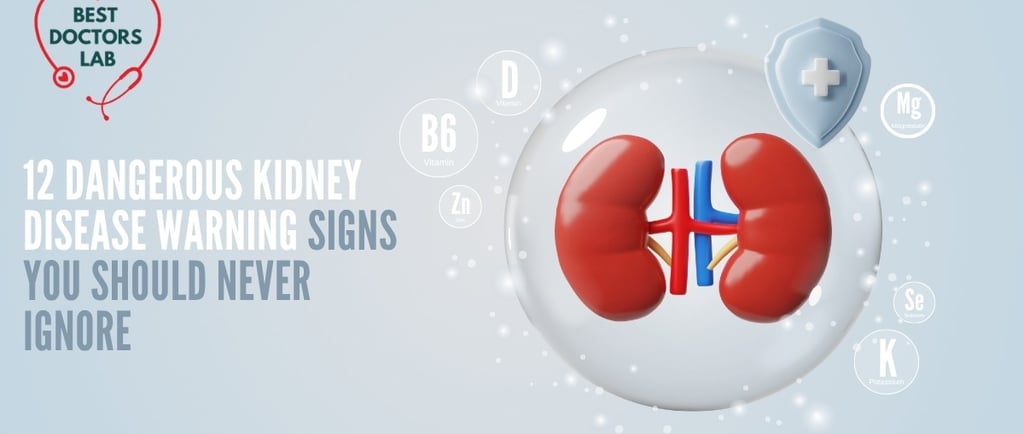
Kidney disease is becoming an increasingly serious health concern in Pakistan. Unfortunately, many people remain unaware they have kidney problems until the disease reaches an advanced stage. That’s because kidney disease often develops slowly and silently, with symptoms appearing only after significant damage has already occurred.
Your kidneys play a vital role in filtering waste, balancing fluids, controlling blood pressure, and maintaining overall health. When kidney function becomes weak, harmful toxins can build up in the body and affect multiple organs.
Diabetes, high blood pressure, dehydration, infections, poor diet, and excessive medication use are contributing to rising kidney disease cases across Pakistan. Early diagnosis through medical testing and routine health screening can help prevent severe complications such as kidney failure.
Understanding the warning signs of kidney disease is extremely important. In this article, we’ll discuss the most common kidney disease symptoms you should never ignore, important diagnostic tests, and practical tips for protecting kidney health.
Why Kidney Health Is Important
The kidneys perform several life-saving functions in the body.
They help:
Remove waste products
Balance body fluids
Regulate blood pressure
Support red blood cell production
Maintain healthy minerals and electrolytes
Healthy kidneys are essential for overall well-being and long-term health.
Understanding Kidney Disease
Kidney disease occurs when the kidneys become damaged and cannot function properly.
What Do Kidneys Do in the Body?
The kidneys filter blood continuously and remove excess waste through urine.
When kidney function declines:
Waste products accumulate
Fluid balance becomes disturbed
Blood pressure may increase
Other organs may become affected
Early diagnosis is critical because kidney damage is often irreversible if left untreated.
1. Frequent Urination Changes
Changes in urination are among the earliest warning signs of kidney disease.
When Urine Changes Become Concerning
You should pay attention to:
Frequent urination at night
Reduced urine output
Dark-colored urine
Painful urination
Sudden urinary changes may indicate kidney dysfunction or infection.
2. Swelling in Feet, Hands, or Face
Kidneys help remove excess fluid from the body.
Fluid Retention and Kidney Function
When kidney function declines, fluid buildup can cause swelling in:
Feet
Ankles
Hands
Face
Persistent swelling should never be ignored because it may signal kidney or heart problems.
3. Persistent Fatigue and Weakness
Many people with kidney disease feel constantly tired.
Kidney Disease and Anemia
Damaged kidneys may reduce the production of hormones responsible for red blood cell formation.
This can lead to anemia symptoms such as:
Fatigue
Weakness
Dizziness
Low energy
Routine blood testing helps identify these issues early.
4. Blood in Urine
Blood in urine is always a warning sign requiring immediate medical attention.
Why Blood in Urine Should Never Be Ignored
Possible causes include:
Kidney infection
Kidney stones
Urinary tract infection
Kidney disease
Even small amounts of blood should be evaluated by a healthcare professional immediately.
5. Foamy or Bubbly Urine
Foamy urine may indicate protein leakage from the kidneys.
Protein Leakage Warning Signs
Healthy kidneys normally prevent protein loss in urine.
Protein leakage may suggest:
Kidney damage
Diabetes-related kidney disease
Chronic kidney disease
Urine tests can help detect this condition early.
6. High Blood Pressure
High blood pressure and kidney disease are closely connected.
The Connection Between Hypertension and Kidneys
High blood pressure can:
Damage kidney blood vessels
Reduce kidney function
Increase kidney disease risk
At the same time, kidney disease can worsen blood pressure problems.
Regular blood pressure monitoring is extremely important.
7. Lower Back or Side Pain
Pain near the kidneys should never be ignored.
Kidney Pain vs Muscle Pain
Kidney-related pain usually occurs:
Below the ribs
On one or both sides of the back
Possible causes include:
Kidney stones
Kidney infections
Kidney inflammation
Medical evaluation helps determine the exact cause.
8. Nausea and Loss of Appetite
Waste buildup in the bloodstream may affect digestion.
Waste Buildup in the Body
Kidney disease may cause:
Nausea
Vomiting
Poor appetite
Weight loss
These symptoms often worsen as kidney function declines.
9. Dry and Itchy Skin
Kidney problems can affect mineral balance in the body.
Mineral Imbalance and Kidney Disease
Persistent itchy skin may result from:
Waste buildup
Electrolyte imbalance
Poor kidney function
Skin symptoms are often overlooked but may indicate internal health issues.
10. Difficulty Sleeping
Kidney disease may interfere with sleep quality.
Kidney Disease and Sleep Problems
Sleep issues may occur because of:
Muscle cramps
Frequent urination
Restless legs
Breathing problems
Poor sleep can further worsen overall health.
11. Shortness of Breath
Kidney disease can affect breathing in several ways.
Fluid Buildup and Breathing Issues
Shortness of breath may occur due to:
Fluid accumulation
Anemia
Reduced oxygen delivery
This symptom should always be evaluated promptly.
12. Trouble Concentrating or Mental Confusion
Advanced kidney problems may affect brain function.
How Kidney Problems Affect Brain Function
Waste buildup can cause:
Poor concentration
Memory problems
Confusion
Mental fatigue
Early treatment helps prevent worsening complications.
Common Causes of Kidney Disease in Pakistan
Several factors increase kidney disease risk:
Diabetes
High blood pressure
Dehydration
Excessive painkiller use
Kidney infections
Poor diet
Obesity
Preventive healthcare and regular screening are becoming increasingly important in Pakistan.
Important Tests for Kidney Disease Detection
Doctors commonly recommend the following tests:
Medical TestPurposeCreatinine TestMeasures kidney functionBlood Urea Nitrogen (BUN)Evaluates waste removalUrine AnalysisDetects infection and proteineGFR TestEstimates kidney performanceElectrolyte TestChecks mineral balanceUltrasoundExamines kidney structure
Routine testing can identify kidney disease early before severe damage occurs.
How to Protect Your Kidney Health
Healthy lifestyle habits support kidney function.
Kidney Health Tips
Drink enough water
Control blood sugar
Monitor blood pressure
Reduce salt intake
Avoid smoking
Exercise regularly
Avoid excessive painkiller use
Small lifestyle changes can significantly reduce kidney disease risk.
Who Is at Higher Risk for Kidney Disease?
People at greater risk include:
Diabetic patients
Individuals with high blood pressure
Older adults
Obese individuals
People with family history of kidney disease
High-risk individuals should undergo routine kidney screening regularly.
For trusted health guidance, visit the National Kidney Foundation website.
FAQs
1. What are the early signs of kidney disease?
Frequent urination changes, swelling, fatigue, blood in urine, and high blood pressure are common early warning signs.
2. Can kidney disease develop without symptoms?
Yes. Kidney disease often develops silently, especially in early stages.
3. Which blood test checks kidney function?
Creatinine and Blood Urea Nitrogen (BUN) tests are commonly used to evaluate kidney health.
4. Is kidney disease treatable?
Early-stage kidney disease can often be managed effectively with lifestyle changes and medical treatment.
5. Does diabetes increase kidney disease risk?
Yes. Diabetes is one of the leading causes of kidney disease worldwide.
6. How often should kidney tests be done?
High-risk individuals should undergo yearly screening or as advised by doctors.
7. Can dehydration damage kidneys?
Yes. Severe or long-term dehydration may affect kidney function.
Conclusion
Kidney disease is a serious but often preventable health condition. Unfortunately, many people ignore early warning signs until severe damage has already occurred. Symptoms such as swelling, fatigue, urine changes, high blood pressure, and persistent back pain should never be overlooked.
Routine blood tests, urine analysis, and preventive healthcare play a major role in detecting kidney problems early. In Pakistan, where diabetes and hypertension are increasing rapidly, regular kidney screening has become more important than ever.
Protecting your kidneys through healthy lifestyle habits and timely medical testing can improve long-term health and reduce the risk of kidney failure.