Save up to 50% today!

11 Important Blood Tests for Hair Fall Problems You Should Get in Pakistan
Hair Fall Problems: Which Blood Tests Should You Get? Learn the best medical tests for hair loss, including vitamin deficiency, thyroid, iron, and hormone testing for healthier hair in Pakistan.
5/19/20264 min read
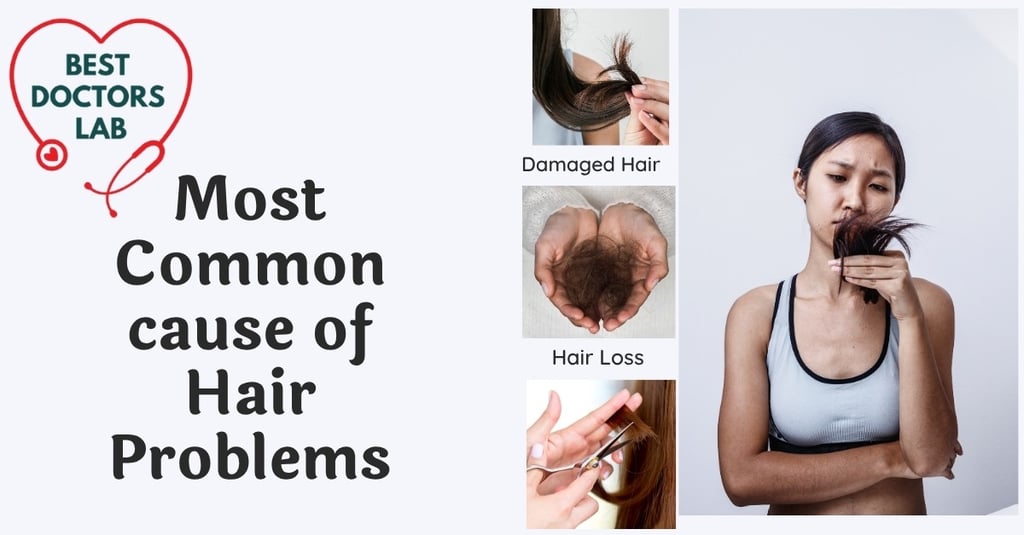
Hair fall is one of the most common health and beauty concerns affecting both men and women in Pakistan. While losing some hair daily is normal, excessive hair fall, thinning hair, or bald patches may indicate an underlying health problem.
Many people spend money on shampoos, oils, and cosmetic treatments without understanding the real cause of their hair loss. In reality, hair fall is often linked to nutritional deficiencies, hormonal imbalance, stress, thyroid disorders, anemia, or other medical conditions that can only be identified through proper blood testing.
Routine blood tests help doctors identify hidden health issues affecting hair growth and scalp health. Early diagnosis can prevent worsening hair loss and improve treatment results.
In this article, we’ll discuss the most important blood tests for hair fall problems, common causes of hair loss, and why preventive healthcare is essential for maintaining healthy hair.
Understanding Hair Fall Problems
Hair shedding is part of the natural hair growth cycle. However, excessive hair loss may signal internal health issues.
Common hair fall symptoms include:
Hair thinning
Weak hair strands
Bald patches
Hair breakage
Slow hair growth
Hair loss can affect confidence, emotional well-being, and self-esteem, especially among young adults.
Why Blood Tests Are Important for Hair Loss
Blood tests help identify medical problems contributing to hair fall.
Common Causes of Hair Fall
Some of the most common causes include:
Iron deficiency
Vitamin D deficiency
Stress
Hormonal imbalance
Thyroid disorders
Poor nutrition
Chronic illness
Without proper testing, the real cause may remain untreated.
1. Complete Blood Count (CBC)
A CBC test is one of the most commonly recommended tests for hair fall problems.
How CBC Helps Detect Hair Loss Causes
CBC helps identify:
Anemia
Infections
Nutritional deficiencies
Blood disorders
Low hemoglobin levels reduce oxygen supply to hair follicles, weakening hair growth.
Common anemia symptoms include:
Fatigue
Weakness
Pale skin
Dizziness
Treating anemia often improves hair quality significantly.
2. Iron Studies and Ferritin Test
Iron deficiency is a major cause of hair loss, especially among women in Pakistan.
Iron Deficiency and Hair Fall
Ferritin measures iron storage in the body.
Low ferritin levels may cause:
Excessive shedding
Weak hair
Slow regrowth
Iron studies may include:
TestPurposeSerum IronMeasures iron levelsFerritin TestEvaluates iron storageTIBCAssesses iron-binding capacity
Doctors often recommend ferritin testing for unexplained hair thinning.
3. Vitamin D Test
Vitamin D deficiency is extremely common in Pakistan.
The Link Between Vitamin D and Hair Health
Low vitamin D levels may affect:
Hair follicle strength
Hair growth cycle
Scalp health
Symptoms may include:
Hair thinning
Fatigue
Bone pain
Weak immunity
Correcting vitamin D deficiency may help improve hair growth over time.
4. Vitamin B12 Test
Vitamin B12 supports nerve function and red blood cell production.
Low Vitamin B12 and Weak Hair
Deficiency may lead to:
Hair thinning
Weakness
Fatigue
Poor hair texture
Vegetarians and individuals with digestive issues are often at higher risk for low B12 levels.
5. Thyroid Function Test
Thyroid hormones play a major role in metabolism and hair growth.
Thyroid Disorders and Hair Loss
Both hypothyroidism and hyperthyroidism can cause hair fall.
Symptoms may include:
Weight changes
Dry skin
Fatigue
Mood swings
Common thyroid tests include:
TSH
T3
T4
Routine thyroid testing is highly important for persistent hair loss.
6. Blood Sugar Test
Diabetes can affect blood circulation and nutrient delivery to hair follicles.
Diabetes and Hair Problems
High blood sugar levels may weaken hair growth and contribute to hair thinning.
Common diabetes-related tests include:
Fasting Blood Sugar
HbA1c
Routine glucose testing is especially important for people with family history of diabetes.
7. Zinc Level Test
Zinc is an essential mineral for healthy hair growth.
Why Zinc Is Important for Hair Growth
Low zinc levels may lead to:
Hair shedding
Weak hair strands
Slow hair growth
Zinc deficiency may result from poor diet or digestive disorders.
8. Hormonal Profile Testing
Hormonal imbalance is a major cause of hair loss in both men and women.
Hormonal Imbalance and Hair Fall
Hormonal testing may include:
Hormone TestPurposeTestosteroneEvaluates androgen levelsEstrogenAssesses female hormone balanceDHEASDetects adrenal hormone issuesProlactinIdentifies hormonal abnormalities
Women with irregular periods or PCOS often experience hormone-related hair fall.
9. Liver Function Test (LFT)
The liver helps process nutrients and remove toxins from the body.
Liver Health and Hair Quality
Poor liver health may affect:
Nutrient absorption
Hair texture
Hair growth
Liver problems can contribute to nutritional deficiencies that impact scalp health.
10. Kidney Function Test (KFT)
Kidney problems may indirectly affect hair quality.
How Kidney Health Affects Hair
Poor kidney function can lead to:
Nutritional imbalance
Dry skin
Weak hair
Routine kidney screening helps detect hidden health issues early.
11. C-Reactive Protein (CRP) Test
Inflammation inside the body may contribute to hair loss.
Inflammation and Hair Loss
CRP testing helps detect:
Chronic inflammation
Autoimmune conditions
Infection-related hair fall
Doctors may recommend CRP testing if hair loss is sudden or severe.
Warning Signs That Require Medical Testing
Seek medical evaluation if you experience:
Sudden excessive hair loss
Bald patches
Hair thinning with fatigue
Weight changes
Irregular periods
Severe dandruff or scalp irritation
Early diagnosis improves treatment success.
Foods and Habits That Support Healthy Hair
Healthy lifestyle habits can improve hair strength naturally.
Hair-Friendly Nutrition Tips
Eat foods rich in:
Iron
Protein
Zinc
Vitamin D
Vitamin B12
Other helpful habits include:
Staying hydrated
Managing stress
Sleeping properly
Avoiding excessive heat styling
Healthy internal nutrition supports healthy external hair.
How Often Should You Test for Hair Fall Problems?
Testing frequency depends on symptoms and medical history.
ConditionRecommended TestingMild Hair FallYearly screeningSevere Hair LossImmediate evaluationVitamin Deficiency HistoryEvery 6–12 monthsThyroid or Hormonal IssuesAs advised by doctors
Regular monitoring helps track treatment progress effectively.
Tips Before Getting Blood Tests
For accurate results:
Follow fasting instructions if required
Drink enough water
Inform your doctor about medications
Avoid heavy exercise before testing
Proper preparation improves blood test accuracy.
For trusted medical guidance, visit the American Academy of Dermatology website.
FAQs
1. Which blood test is best for hair fall?
CBC, ferritin, thyroid function, vitamin D, and hormonal profile tests are among the most important tests for hair loss.
2. Can vitamin deficiency cause hair loss?
Yes. Vitamin D, B12, iron, and zinc deficiencies commonly contribute to hair thinning and excessive shedding.
3. Does thyroid disease cause hair fall?
Yes. Both low and high thyroid hormone levels may affect hair growth and scalp health.
4. Can stress lead to hair loss?
Yes. Chronic stress can disrupt the hair growth cycle and increase hair shedding.
5. How long does it take to improve hair after treating deficiencies?
Hair improvement may take several weeks to months depending on the underlying cause and treatment.
6. Is hair loss always genetic?
No. Nutritional deficiencies, hormones, stress, and medical conditions can also cause hair fall.
7. Should men and women get the same hair fall tests?
Some tests are similar, but hormonal evaluations may differ depending on gender and symptoms.
Conclusion
Hair fall is often more than just a cosmetic concern. It can be a warning sign of hidden medical problems such as anemia, thyroid disorders, vitamin deficiencies, hormonal imbalance, or chronic inflammation.
Routine blood testing helps identify the root cause of hair loss early and allows doctors to recommend proper treatment instead of temporary cosmetic solutions. In Pakistan, where vitamin deficiencies and stress-related health problems are increasingly common, preventive testing plays a major role in maintaining healthy hair and overall well-being.
If you are experiencing excessive hair loss, don’t ignore it. Proper medical evaluation and timely blood tests can help protect both your hair and your health.